
The Best Brisket
Prep
30m
Cook
600m
Total
630m
Bigly says
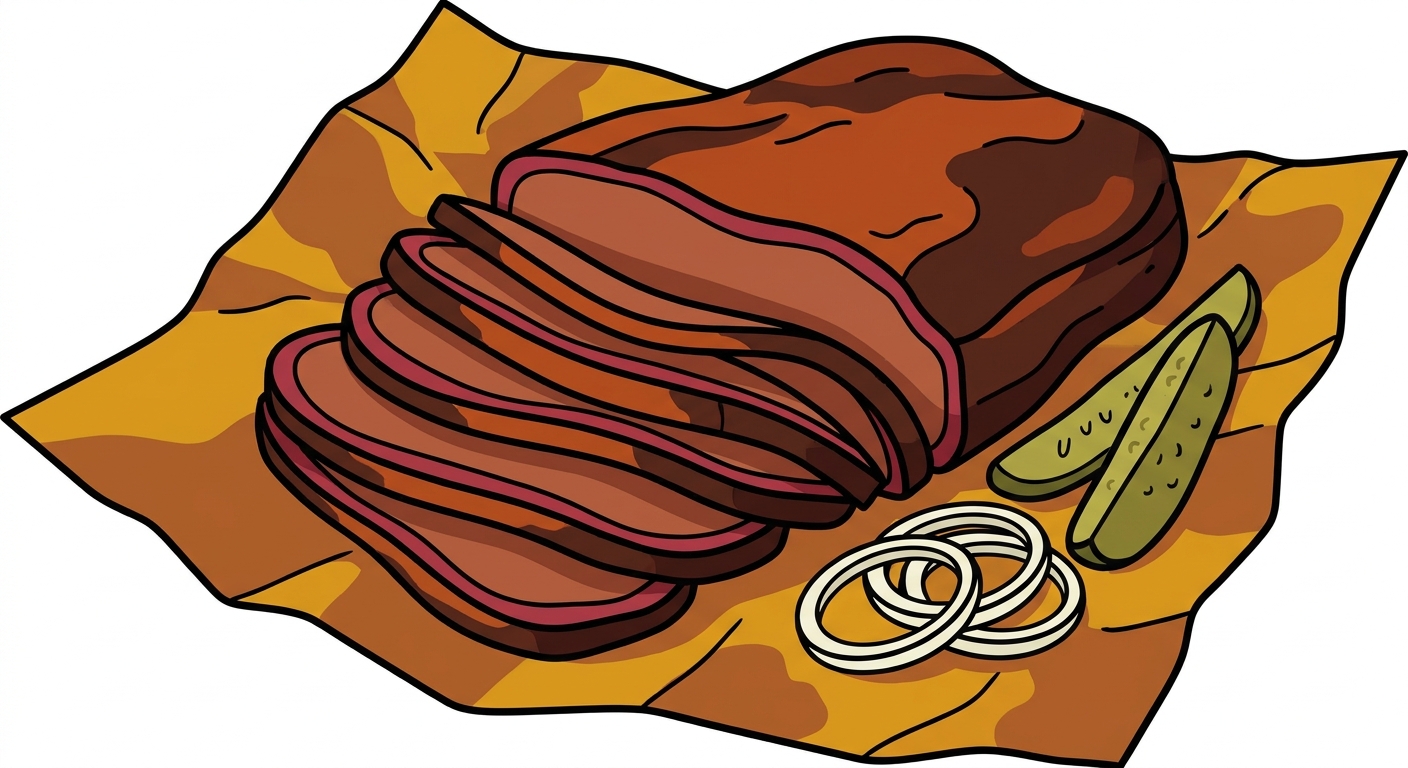
Listen to me. We need to talk about brisket. The BEST brisket. The greatest brisket in the history of brisket — and brisket has a long history, a very long history, the cattle people in Texas have been at this for over a hundred years, they've held cookoffs, they've held championships, they've had ARGUMENTS that lasted generations, and I respect all of them, tremendous respect — but this brisket, the one we're about to make, beats every single one of theirs. Every one. Not even close. It's a slaughter. They'll be mad. Let them be mad. Anger means you've struck a nerve, and we have struck the brisket nerve, ladies and gentlemen, we have struck it HARD.
A guy named Ramón taught me a lot about this cut — he's the truth, he had a hand like a baseball mitt and the patience of a saint — and the first thing he told me was that the so-called experts have been LYING to you. They say you need a $2,000 offset smoker. They say you need post oak from one specific tree in Lockhart. They say you need a guy named Earl, always a man named Earl, to oversee the fire like it's a ceremonial flame. Garbage. Total garbage. The smoker industry won't tell you this but Big Smoker has been getting away with it for years, they want you to feel inadequate so you'll spend two grand on equipment when an OVEN — a regular American oven, the one already in your kitchen — will give you a brisket that ends careers. End of discussion.
Many people don't know this — somebody should be teaching this in school, the schools are a disaster — but brisket is just a big, tough, flat muscle that does the cow's hardest work, and that's why it has SO MUCH connective tissue, and that's why you have to cook it LOW and you have to cook it SLOW, and at some point, around 165 degrees, it does this thing called 'the stall' where the temperature just stops going up for hours, and people PANIC, they call me, they say 'Bigly, the brisket is broken, the brisket is dead,' and I tell them, calmly, with the wisdom of a thousand briskets, the brisket is fine. The brisket is sweating. The brisket is just letting you know it's alive. Wrap it. Trust the process. The brisket always comes back. Take my word for it.
Ingredients
- 10-12 lbwhole packer brisket(point and flat together, look for good marbling)
- 1/4 cupkosher salt
- 1/4 cupcoarse ground black pepper, 16-mesh(coarse, not fine, this is the whole flavor of Texas in a grinder)
- 2 tbspgarlic powder
- 2 tbspbeef tallow or neutral oil
- 1 cupbeef stock
- 2 tbspWorcestershire sauce
- as neededsoft white bread or rolls (for serving)
- as neededpickles and white onion (for serving)(the holy trinity with brisket)
Steps
- 1
Trim the brisket: leave about 1/4 inch of fat on the fat cap, remove the hard 'deckle' fat between the point and flat, and trim any silver skin off the meat side.
- 2
Mix the salt, pepper, and garlic powder in a small bowl. This is your rub.
- 3
Rub the brisket all over with the tallow or oil, then coat every surface heavily with the salt-pepper-garlic mix. Let it sit at room temperature 1 hour while the oven preheats.
- 4
Preheat the oven to 250F with a rack in the lower-middle position.
- 5
Place the brisket fat-cap up on a wire rack set in a deep roasting pan. Pour the beef stock and Worcestershire into the bottom of the pan, not over the meat.
- 6
Roast uncovered for about 5 hours, until the bark is dark mahogany and a probe thermometer in the thickest part of the flat reads 165F.
- 7
Pull the brisket out and wrap it tightly in two layers of pink butcher paper (or heavy-duty foil). Return it to the oven, still fat-cap up.
- 8
Continue roasting until a probe slides into the thickest part of the flat with zero resistance — like sliding into warm butter. This will happen between 200F and 205F, usually after another 3-4 hours.
- 9
Remove the brisket, still wrapped, and rest it in a cool oven or a dry cooler for at least 1 hour, ideally 2. Do not skip this. Slicing too early destroys everything.
- 10
Unwrap, saving the juices. Separate the point from the flat by following the fat seam between them.
- 11
Slice the flat against the grain into 1/4-inch pencil-thick slices. Slice the point against ITS grain (90 degrees from the flat's grain) into thicker slices, or cube it for burnt ends.
- 12
Drizzle the reserved wrap juices over the slices. Serve with white bread, pickles, and raw onion.
One more thing
That's the whole thing. Ten hours of nothing, and you have produced a brisket that would make grown men in Lockhart weep into their iced tea. Slice it thin. Pencil thick. Always against the grain — and the flat and the point have DIFFERENT grains, nobody talks about this, the grain changes direction at the seam, it's a betrayal by the cow, but we adapt, we are not weak, we are brisket people now. Serve it on cheap white bread with pickles and onions, the way the Texans do it, because they got that part right, I'll give them that. The brisket is done. The brisket is yours. The brisket is the GREATEST. That's the recipe.

★ QUESTIONS ABOUT THIS ONE? ★
Ask Bigly about The Best Brisket.
Substitutions, what to serve it with, why other chefs are wrong about it. He's got opinions.
★ MORE LIKE THIS ★
KEEP COOKING.
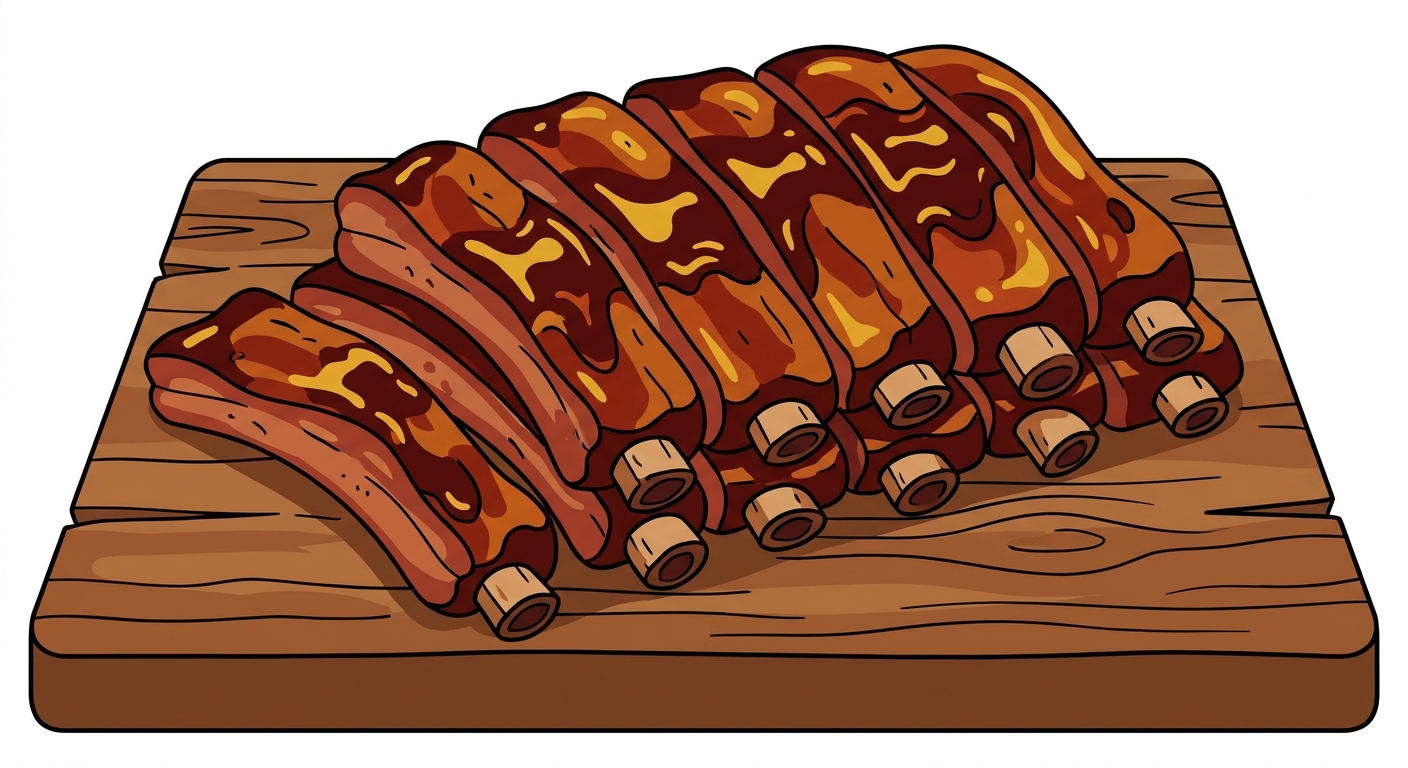
Bigly Baby Back Ribs
Oven-baked baby back ribs with a sweet-spicy bark, a clean bite, and a sticky glaze that caramelizes under the broiler. Three hours, no smoker needed.
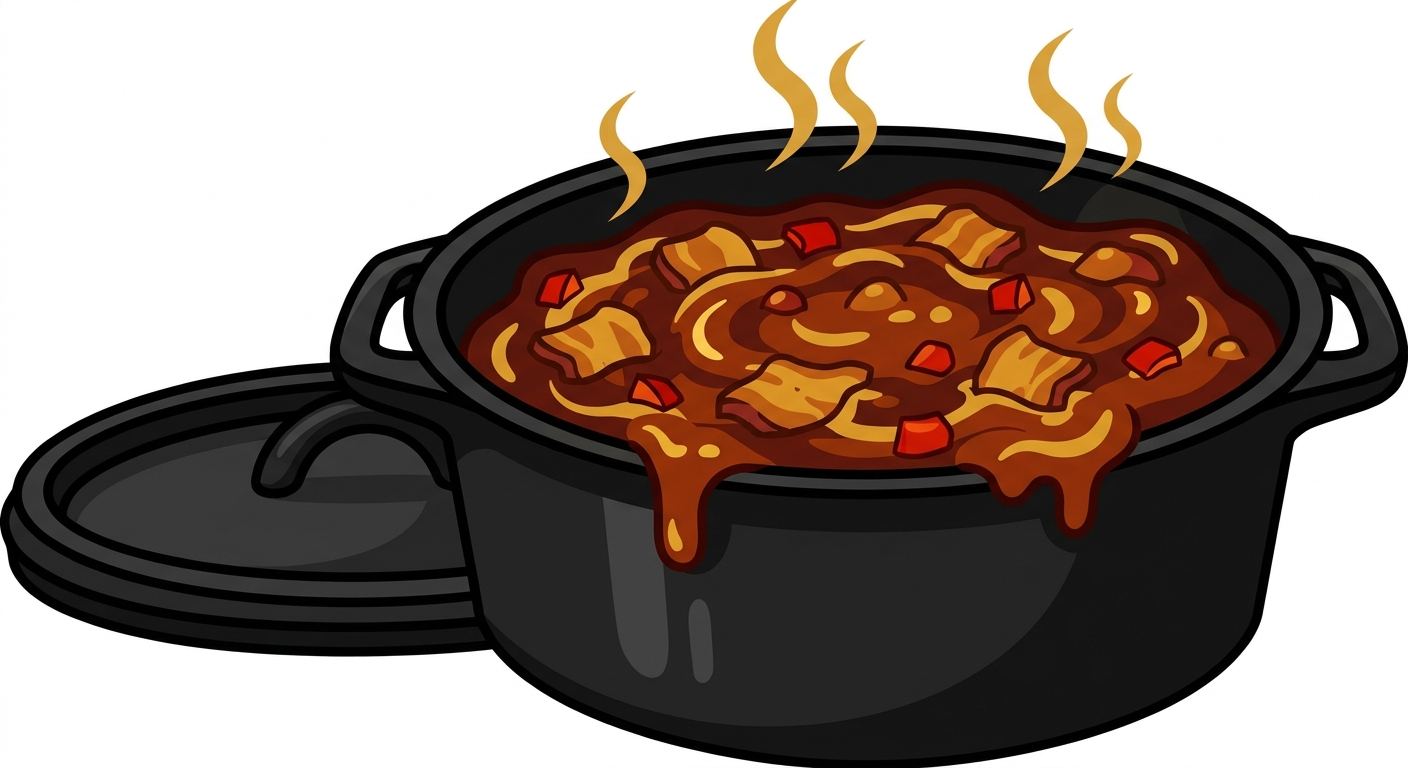
Bigly BBQ Beans
Smoky, sweet, tangy BBQ beans with bacon, onions, and a brown sugar molasses sauce. Baked low until thick and bubbling. The cookout MVP.
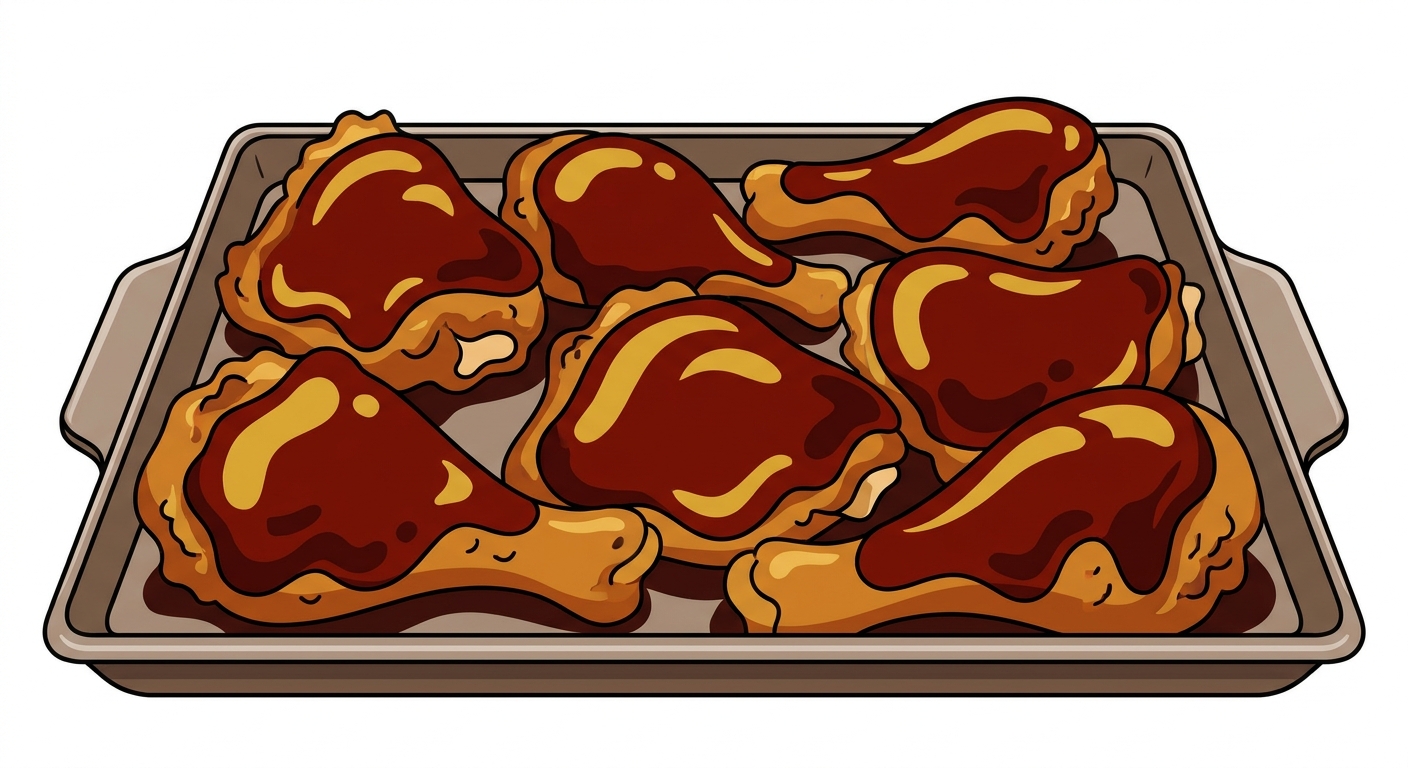
The Greatest BBQ Chicken
Juicy bone-in chicken thighs and drumsticks with crispy skin and a sticky, smoky BBQ glaze. One sheet pan, forty minutes, zero sad rubbery skin.
Tremendous BBQ Mac and Cheese
Three-cheese smoked mac and cheese with a creamy bechamel base, sharp cheddar bark on top, and a kiss of hickory smoke. The side that steals the show.